The NFU has welcomed some of the measures announced in the Chancellor’s statement, but believes the government can still do more to protect farming businesses from the worst consequences of the conflict, and in turn protect households from rising food inflation, which the Bank of England has said could rise to between 6% – 7%.
The government confirmed that the 5p cut in fuel duty – which was kept in place at the last Budget – will be extended until the end of the year, which was a key NFU ask in response to the Iran war.
The NFU also welcomed the news that the duty on red diesel will be cut from 10.18p to 6.48p per litre and that hauliers will get a 12-month road tax holiday, saving £600 for a typical heavy lorry.
There will also be a 10p per mile increase in tax-free mileage rates for both company-employed and self-employed people, backdated to April 2026. The Chancellor also announced measures to protect British chemical producers and British ceramic companies.
MPs raise concerns on agri-food tariff reductions
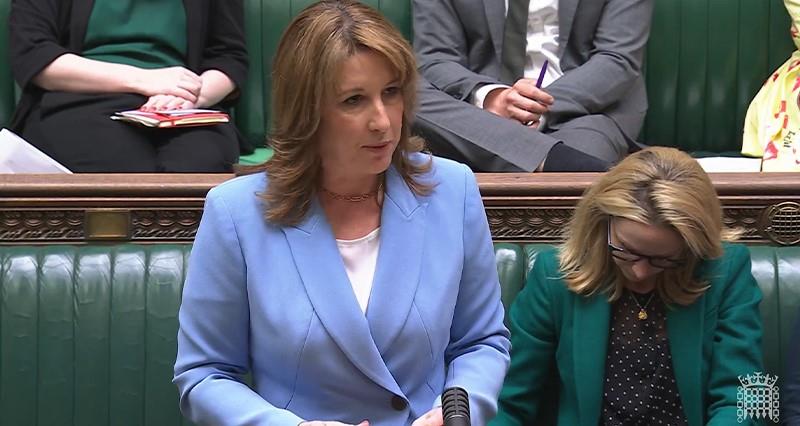
In addition to the agri-food tariff suspensions announced in April, the Chancellor has now said the government is planning to reduce tariffs on around 100 supermarket items to reduce cost pressures on consumers. She told the House these are being targeted at products British farmers do not produce a lot of, aiming to protect the industry as best as possible.
The full list of foodstuffs contains items such as tropical and dried fruits, biscuits, chocolates and olive oil. The government will launch a consultation in the next week covering more items; the NFU will be scrutinising the list to understand the impact of members’ businesses.
During the session a number of MPs raised their concerns that these tariffs will negatively affect British farmers, despite the government’s intentions.
For example, Conservative MP for South Shropshire Stuart Anderson asked the Chancellor to guarantee that his farming constituents and those across the country wouldn’t be undercut by the tariff reductions. Responding, the Chancellor said the reductions would save consumers £700m and the Treasury “wanted to get them right” but that “they had worked hard to make sure they didn’t affect British farmers”, also referencing the cut to red diesel fuel duty.
Dr Andrew Murrison MP, the Conservative MP for South West Wiltshire, raised his concerns about tariff-reductions and asked the Chancellor what action the government was taking to combat skyrocketing fertiliser prices, adding that that this would ultimately have an impact on supermarket prices.
The Chancellor urged Dr Murrison’s farming constituents to respond to the government’s consultation on tariff reductions when it is published, and said the best way to lower fertiliser prices was for the conflict to stop. The Chancellor also said the government was working to diversify our supply of fertiliser away from areas currently affected by conflict.
Electricity standing charges raised
Efra Committee Chair and Liberal Democrat MP for Orkney and Shetland Alistair Carmichael raised the falling end prices for all farmers, including beef, dairy and arable producers, and warned that, while welcome, the cut in red diesel duty will not help the farmers who are struggling to deal with skyrocketing fertiliser prices or those who have to heat glasshouses.
Carmichael said that, as the government thinks food security is national security, mirroring a key NFU ask, could the Chancellor consider adding the food and drink industry to the BICS (British Industrial Competitiveness Scheme) to lower production costs.
Fellow member of the Efra Committee Sarah Bool MP (Cons, South Northamptonshire) also raised the issue of standing charges and including the food and drink industry in BICS. Responding to Ms Bool, the Chancellor said that the last government didn’t have an industrial strategy, and that the tariff-reductions would help ease cost of living problems for consumers.