Last week saw MPs on the NFU’s Food and Farming Fellowship scheme visit Barfoots’ Sefter Farm near Bognor Regis, Sussex, to learn more about the horticulture sector in the UK.
Barfoots grows a range of vegetables, including sweetcorn – of which it is the UKs largest grower and supplier - as well as growing courgettes, aubergines and squash. Barfoots was also the first grower of tenderstem broccoli in the UK.
The NFU’s Food and Farming Fellowship Scheme showcases the industry to MPs and provides the opportunity to better their understanding of UK farming and food.
The visit was attended by the NFU’s national Horticulture and Potatoes Board Chair, Martin Emmett, alongside MPs from Labour and Liberal Democrats. The group were given a tour of the farm and its facilities by Julian Marks, Group CEO at Barfoots, alongside Farms Director, Neil Cairns, Head of Factory and Technical, Geoff Faulkner, and Peter Barfoot CBE, Founder and Chair of Barfoots.
Peter founded Barfoots in 1976 and it has since expanded across the world, across Europe and Africa, meaning as a business it can produce fresh fruit and vegetables all year round. Barfoots’ site Sefton Farm is also unique as they do much of their processing on their own site, keeping the businesses as efficient as possible and their overheads as low as possible, both of which have been critical to the growth of the business.
Horticulture focus
The group of five parliamentarians were talked through the biggest issues facing the horticulture industry, and learnt how Barfoot’s produces a sustainable, year-round, supply of fresh fruit and vegetables for the UK market.
These issues include difficulty getting planning approval for the infrastructure required for horticulture businesses to grow, as well as supply chains and supermarkets, seasonal worker visas and ELMs (Environmental Land Management) schemes.
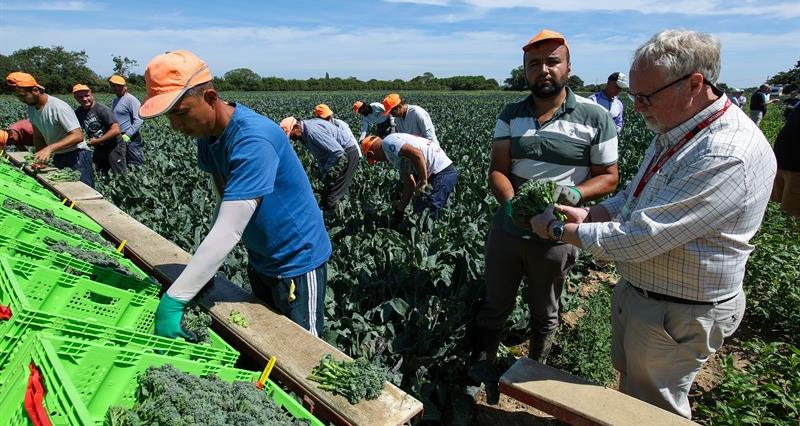
The MPs heard how the business will harvest the 4,500 acres of sweetcorn and 300 acres of courgettes planted this year – and even had the chance to pick some tenderstem broccoli.
Read more about the scheme in action
Secure labour supply essential
Discussion during the visit also focused on how integral seasonal workers are to the running of the farm – from those who pick produce in the fields, to Barfoots’ packaging and logistics teams.
However, the group heard from the team at Barfoots and Martin Emmett on how access to labour continues to limit the growth of the horticulture sector.
The ending of the Seasonal Agricultural Workers Scheme in 2013 and Freedom of Movement following the UK’s exit from the European Union in 2020 have both made accessing labour increasingly difficult and has resulted in some horticulture businesses closing all together.
The group heard how this difficulty is being worsened as the number of visas available for the Seasonal Workers Scheme is not announced until late in the calendar year, making it difficult for horticulture businesses know how many staff they will be able to employ.
Following a review by the MAC (Migration Advisory Committee), the government has now confirmed that the farming sector will receive two years’ notice if it plans to close the Seasonal Workers Scheme, despite the MAC and the NFU urging the government to raise this to five years.
Furthermore, as labour can account for between 40% and 70% of overall production costs for fresh produce businesses, the rise in the National Living Wage and employers National Insurance contributions are both deeply punishing for the sector.
Access to water
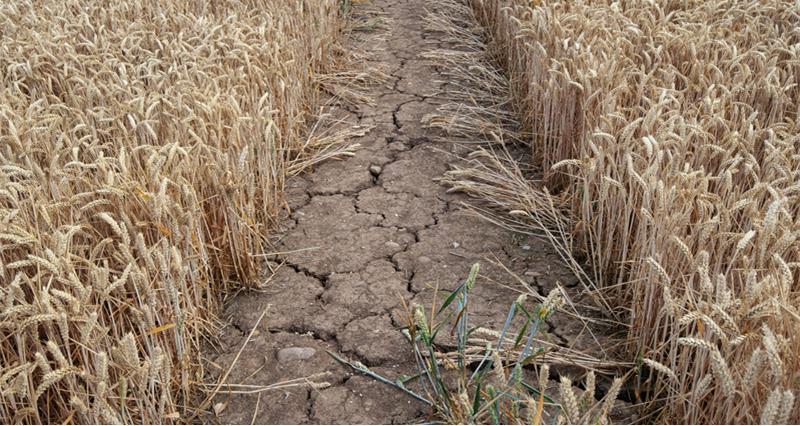
Also imperative to Barfoots food-production operations is access to water, particularly as the hot, dry weather of summer returns. As part of the visit, MPs toured one of nine reservoirs the business has and heard how this has dramatically reduced Barfoot’s reliance on abstraction licenses from public waterways, which in times of drought, can often be difficult.
Water access continues to be an issue for NFU members. In July 2025, the NFU lobbied the Environment Agency to allow more than 150 famers across Norfolk, Suffolk and Cambridgeshire to resume abstraction in the Cam and Ely Ouse catchments after they were issued with a cessation notice.
Sustainability of business on display
MPs also learnt about how sustainable Barfoots farming operation is. The group was shown the farm's anaerobic digester, which converts waste material from the business – for example the husk from producing and packaging sweetcorn – into energy which powers the entire site operations at Sefton Farm. Barfoots also cleans its waste water in order to use it for irrigation.
130629,130625,130626,130627,130628
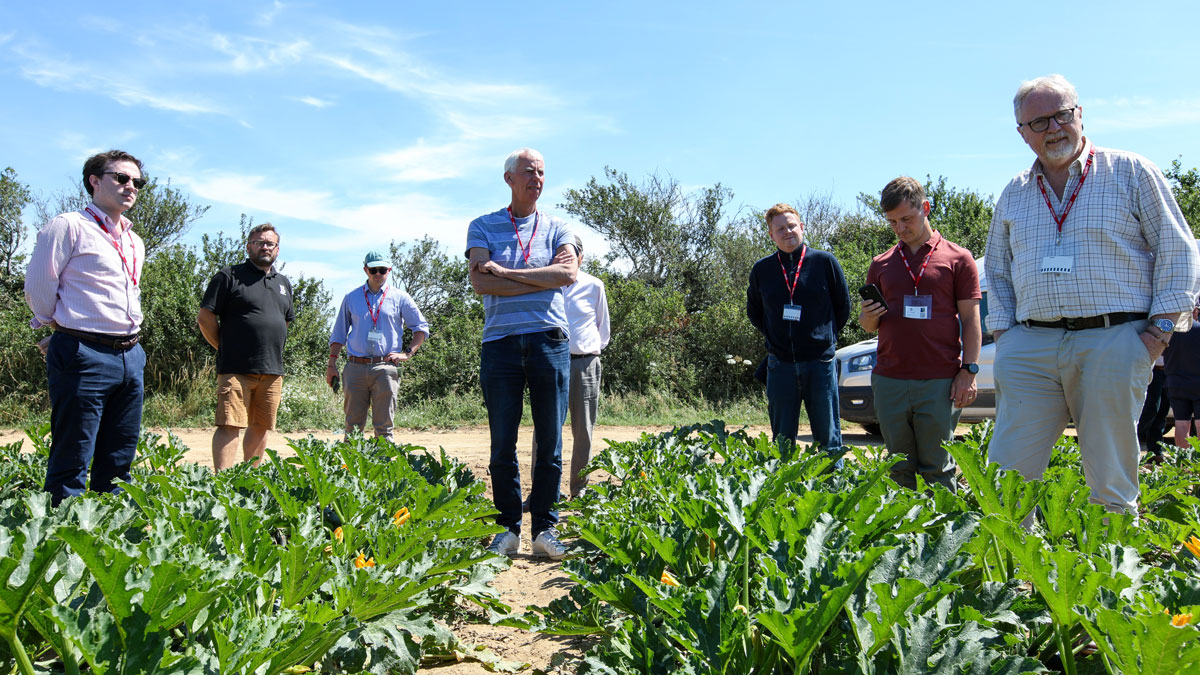
L-R: John Milne MP (Lib Dem, Horsham); Chris Bloore MP (Lab, Redditch); Josh Fenton-Glynn MP (Lab, Calder Valley); Brian Mathews MP (Lib Dem, Melksham and Devizes) hear about how corguettes are grown.
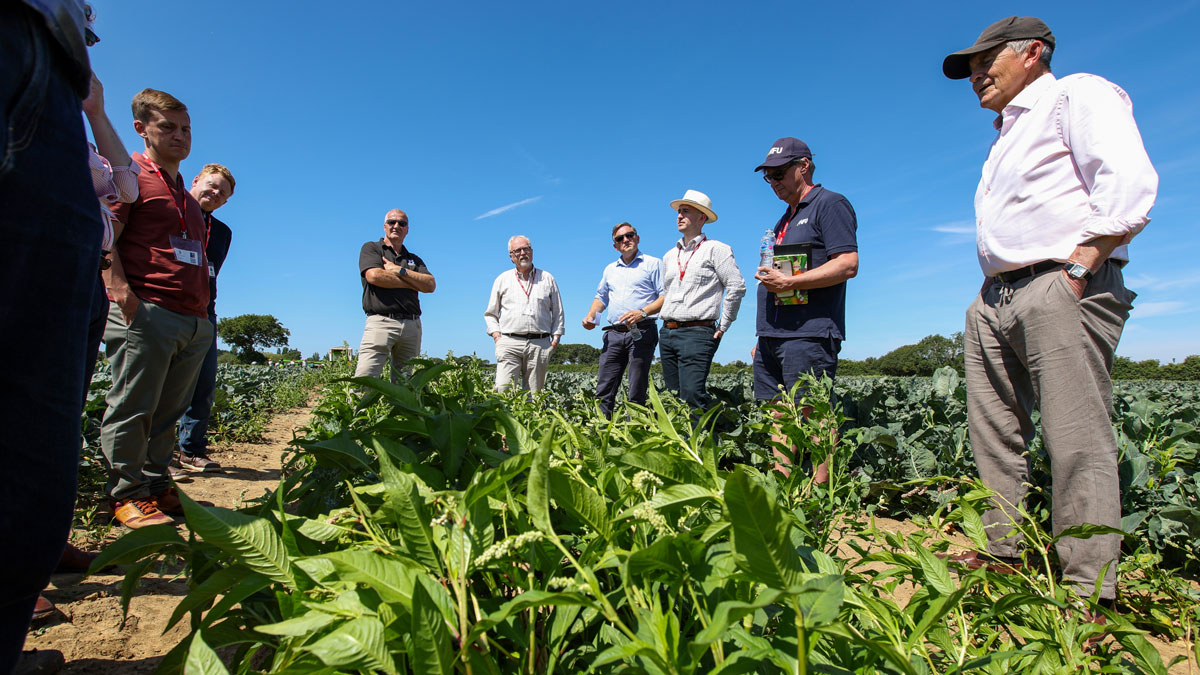
L-R: Josh Fenton-Glynn MP (Lab, Calder Valley); Chris Bloore MP (Lab, Redditch); Barfoots Farm Director Neil Cairns; Brian Mathews MP (Lib Dem, Melksham and Devizes); Julian Marks - Group CEO at Barfoots; Ben Goldsborough MP (Lab, South Norfolk); NFU National Horticulture and Potatoes Board Chair Martin Emmett; Peter Barfoot - Chair and Founder of Barfoots
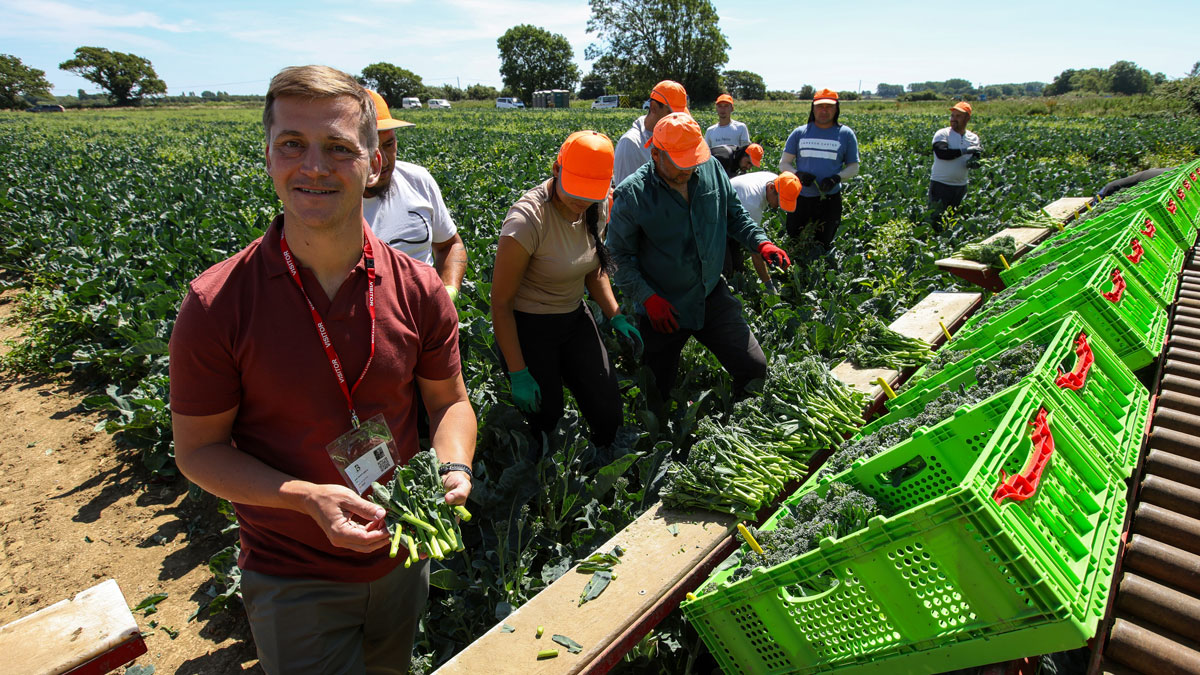
Josh Fenton-Glynn MP (Lab, Calder Valley) picks Tenderstem Broccoli.
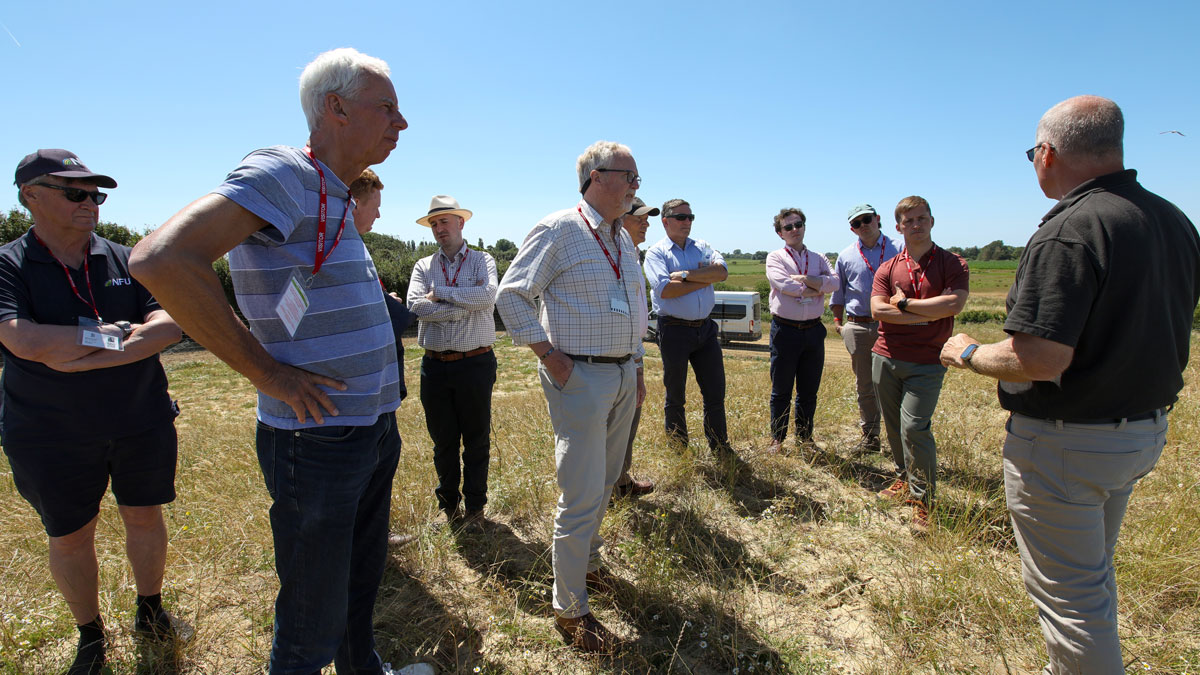
L-R: NFU National Horticulture and Potatoes Board Chair Martin Emmett; John Milne MP (Lib Dem, Horsham); Ben Goldsborough MP (Lab, South Norfolk); Brian Mathews MP (Lib Dem, Melksham and Devizes); Peter Barfoot - Chair and Founder of Barfoots; Julian Marks - Group CEO at Barfoots; Josh Fenton-Glynn MP (Lab, Calder Valley) listen to Neil Cairns - Director of Farms at Barfoots
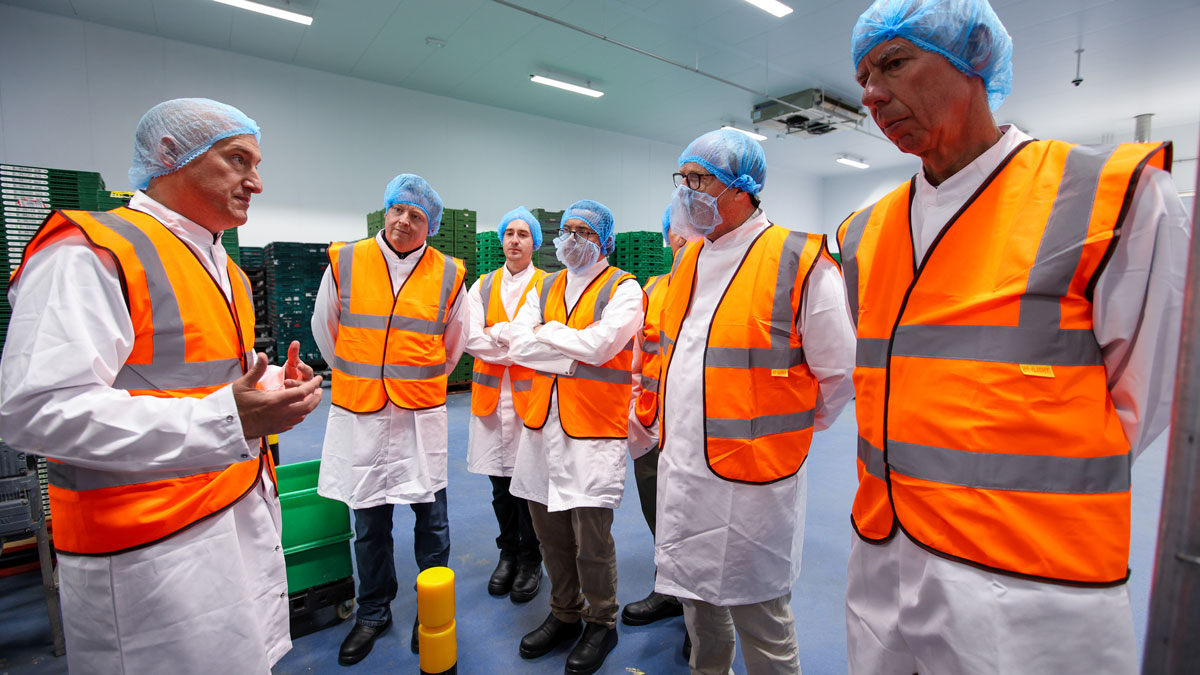
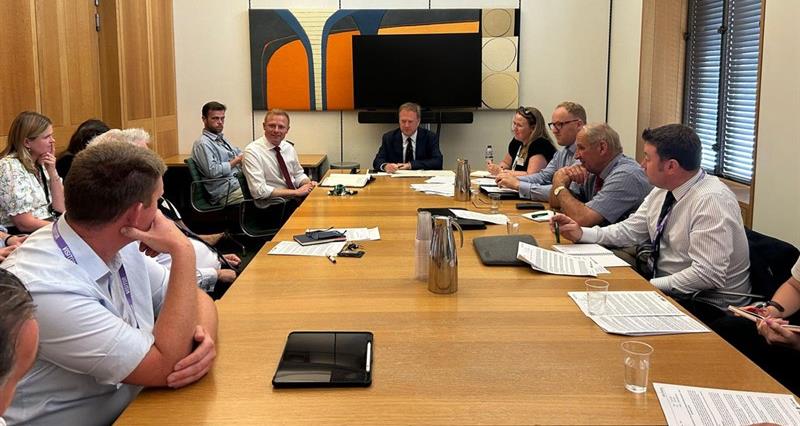
L-R: Geoff Faulkner - Head of Factory and Technical at Barfoots talks to Chris Bloore MP (Lab, Redditch); Ben Goldsborough MP (Lab, South Norfolk); Brian Mathews MP (Lib Dem, Melksham and Devizes); John Milne MP (Lib Dem, Horsham) about Barfoot's production and packaging process.
Photographs: Adam Fradgley / Exposure Photography
NFU lobbying continues
The NFU continues to work closely with government to tackle the challenges facing the sector, including through Defra’s development of a horticulture Sector Growth Plan via the Farming and Food Partnership Board, aimed at boosting productivity, profitability and food security.
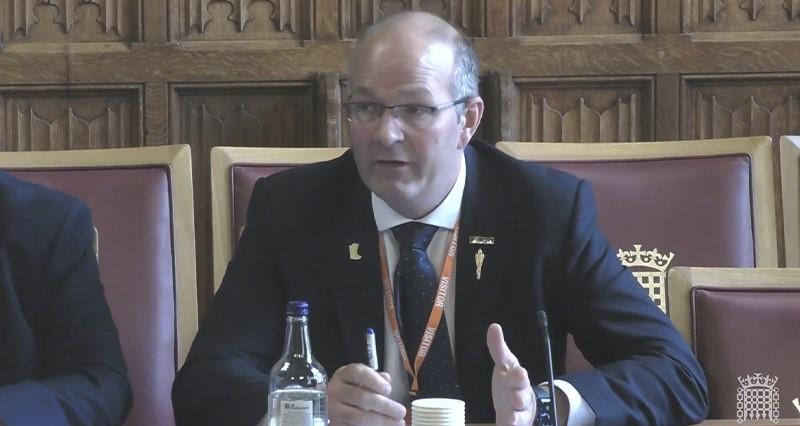
NFU Horticulture and Potatoes Board Chair Martin Emmett, who is also a West Sussex grower, said: “Engaging with politicians and policy makers on days like this is so important.
“Getting MPs out on farm really helps them to understand the challenges facing the sector and the vital role growers play in producing the nation’s food, driving the economy and supporting rural communities.
“As government and industry work to develop a sector growth plan for horticulture, we would encourage all businesses in the sector to take part in the NFU’s survey2 and share their views. This feedback will help to shape a plan that build resilience into the horticulture sector, boosts domestic food production and puts the country’s growers at its heart.”
The NFU’s Food and Farming Fellowship Scheme showcases the industry to MPs and provides the opportunity to better their understanding of UK farming and food. It launched in 2024 in collaboration with ABP UK (Anglo Beef Processors), AIC, Arla Foods, Barfoots, BEIC (British Egg Industry Council) and Fareshare.
Julian Marks, Group CEO at Barfoots, said: “Barfoots is at the sharp end when it comes to climate change, the effects of geopolitical events and changing sentiment towards farming and food production.
“Engaging with parliamentarians from across the political spectrum enables us to showcase the work we are doing to protect and enhance the environment while putting healthy nutritious vegetables onto plates every day. It was a pleasure to show this highly engaged group of MPs around our operations.”