Water is the lifeblood of crop production. Whether it’s field vegetables, soft fruit, orchards, potatoes, cut flowers and plants for gardens or urban green spaces, reliable access to water is fundamental to producing the fresh food and plants that consumers expect and deserve.
Climate change is undoubtedly bringing more volatile weather patterns, and water availability is becoming one of the greatest challenges facing growers in the UK. We can no longer assume imports will be as reliable as they have been. If we do, we risk blindly walking into crisis.
Imports not the answer
Too often, when discussing pressures on domestic production, there is an assumption by policymakers that any shortfall can simply be filled through imports. Increasingly, the evidence suggests otherwise.
Recent events across Europe should serve as a warning. Recently the UK experienced cucumber shortages following extreme heat, hiking continental prices up; reported to be trading at £1 per stick – British retailers opted for empty shelves rather than pay higher import prices.
French growers have warned of severe vegetable shortages after repeated heatwaves damaged crops, and Dutch glasshouse businesses have reported major concerns after irrigation restrictions threatened production.
These examples demonstrate just how quickly weather and water constraints can disrupt global food supply. When supplies tighten across Europe, retailers and traders compete for a smaller pool of produce; and while this can drive up prices, history tells us that the UK is unwilling to pay.
The UK already imports 84% of its fruit and 47% of its vegetables, while 64% of all fresh produce imports come from just ten key supplier countries. According to recent analysis by Aethr Associates, 72% of produce sourced from those countries could be facing extreme water stress by 2050.
The same report highlights that many of the UKs most strategically important source countries, including Spain, Morocco and Egypt, are already experiencing severe water-related challenges and climate pressures.
In other words, the countries we rely on to supplement our food supply are increasingly facing weather extremes that can be even more severe than those we face at home.
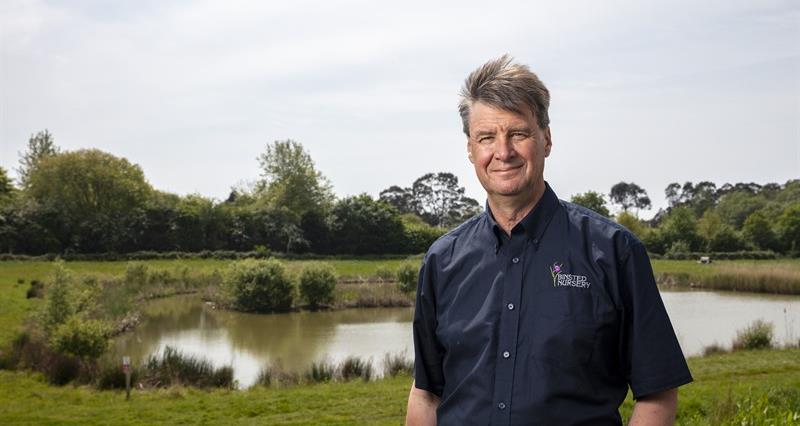
“We need a policy framework that recognises domestic primary production as a strategic national priority.”
NFU Horticulture and Potatoes Board chair Martin Emmett
Importance of water security
For British horticultural and potato businesses, this reinforces the importance of water security. Growers have invested millions of pounds in reservoirs, precision irrigation systems and technologies that maximise water efficiency.
British Berry Growers recently reported 61% of berry growers have on-farm reservoirs and every grower surveyed had a water management plan in place.
Only around half of the potato crop is irrigated in the UK, and we know there are significant challenges in field scale vegetable production in accessing water and building infrastructure, particularly for crops grown on rented land.
What growers need
Growers across the entire horticulture sector cannot tackle this challenge alone.
We need a policy framework that recognises domestic primary production as a strategic national priority and better support for growers to capture and store water when it is available.
Investment in water infrastructure and greater flexibility around water storage will be essential if domestic production is to remain resilient in times of drought.
We need to see:
- An expansion of permitted development rights so more, and larger, reservoirs do not require full planning approval and a positive presumption from local authorities to allow developments to go forward.
- Clear national guidance to local authorities about design criteria that prevent environmental impact assessments being triggered.
- More flexibility to water abstraction licences allowing businesses to capture winter rainfall, and flexibility to be able to trade water to where it is most needed in times of drought.
- Set a target for increased on-farm reservoir capacity as part of a wider government drought resilience strategy.
- Investment support for water management and water infrastructure.
The message is clear. Climate impacts are no longer isolated to individual countries or regions. As global weather extremes become more widespread, the assumption that imports will always be available becomes increasingly risky.
Water security starts with boosting home production’s ability to build resilience. Ensuring horticultural and potato growers have reliable access to water is not simply about supporting growers; it is about protecting the resilience of the UK’s food supply and reducing our exposure to growing risks in an increasingly uncertain world.