The Soil Association's Organic Fresh Produce Forum's recent event – ‘Looking to the future’ – combined policy discussion, sector challenges, innovation in horticulture, and regulatory updates, offering a comprehensive view of the opportunities and pressures facing organic producers.
Sector challenges and priorities
The morning session opened with an overview of the key challenges facing organic horticulture producers.
Energy costs, labour shortages, and skills gaps remain persistent pressures, shaping both short‑term resilience and long‑term sector sustainability. Delegates also heard how organic can imbed itself into policy development, with key focuses on the horticulture sector growth plan, land use framework, the farming roadmap, and public procurement reforms.
Public procurement emerged as a major opportunity. Highlighting how procurement frameworks in several EU countries have successfully increased organic uptake, suggesting a similar approach could strengthen the UK market.
A lively open discussion then explored how the organic sector can sharpen its story for consumers. Ideas included coordinated social media campaigns, clearer messaging on environmental and health benefits, and a more holistic narrative around organic production.
Laser‑guided weed control
The second part of the day involved a farm tour showcasing practical innovation and sustainable production methods.
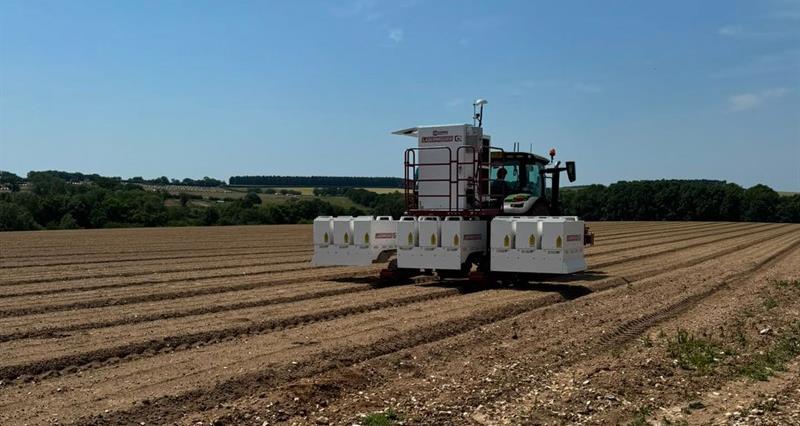
One highlight was a demonstration of laser‑based weed control technology. The machine, pulled behind a tractor, identifies emerging weeds and eliminates them using targeted laser bursts. Previously, this work had to be done manually – a labour‑intensive and costly process requiring careful identification of individual weeds.
Although the machine and subscription model represent a significant investment, the farm reported substantial savings in labour costs and improved efficiency.
Carrot production and biodiversity
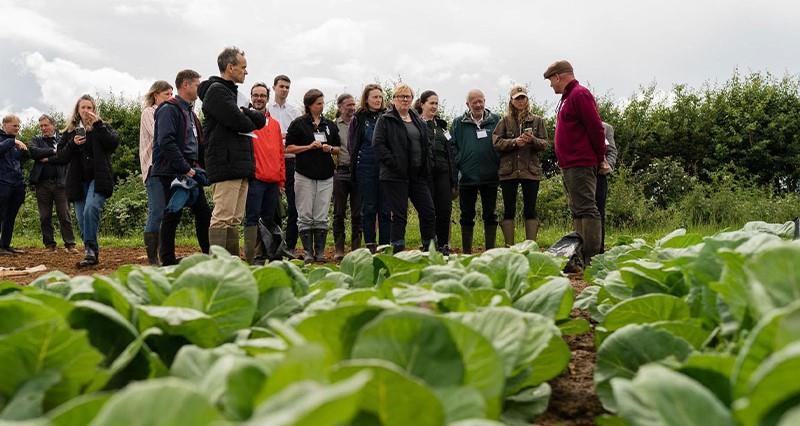
Attendees also explored carrot production systems, including the benefits of wildlife strips at field edges. The farm is now looking to trial a central buffer strip, to further support biodiversity, pollinators and beneficial species.
Water availability and pressure were recurring themes, with growers noting that each year more water is required to produce the same volume of carrots – a challenge increasingly linked to climate variability.
Regulatory overview – SPS agreement and organic rules
The day concluded with an update on the SPS agreement and organic regulations. As organics fall within scope, the Soil Association team outlined several benefits for the horticulture sector, including smoother movement of GB‑processed organic products into the EU and Northern Ireland.
Key points included:
- EU regulations only permit ethylene on bananas and potatoes.
- Inception rates for pre‑packed organic food will shift from two years to three.
- Dual certification rules will tighten:
- A grower who also packs vegetables will need to operate under a single certification body.
- However, if a product is cooked and vacuum‑packed, it may fall under a different category, allowing two certifications.
- The poultry sector was highlighted as an area likely to experience notable regulatory impact.
Overall, the event provided valuable insight into the Soil Association’s priorities and the evolving landscape for organic fresh produce. It reinforced the importance of innovation, strong consumer communication, and coherent policy alignment – all essential for supporting a resilient and thriving organic sector.