In the run up to a public consultation on the GB renewal of the approval of glyphosate, it continues to attract the attention of anti-pesticide organisations, to roll out their well-worn rhetoric about its safety and call for bans on the use of glyphosate as a preharvest desiccant.
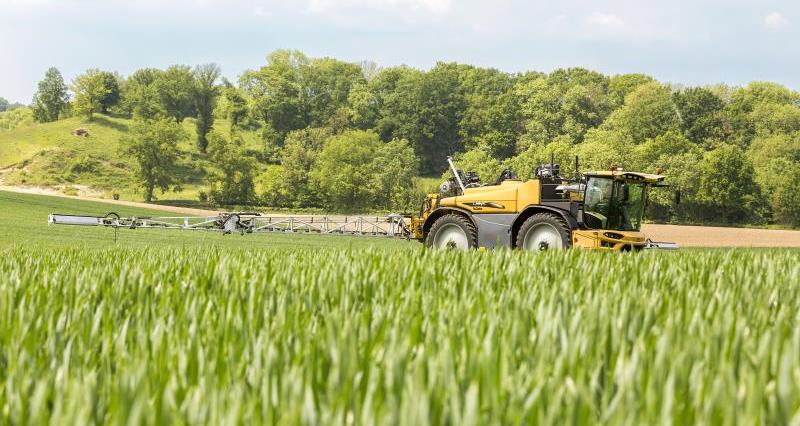
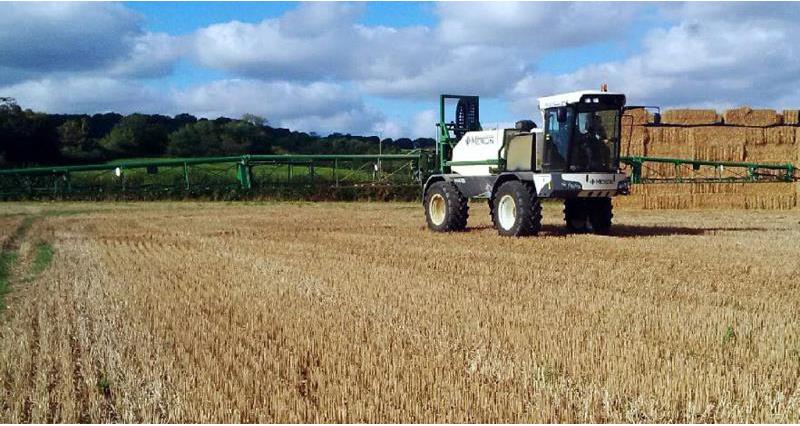
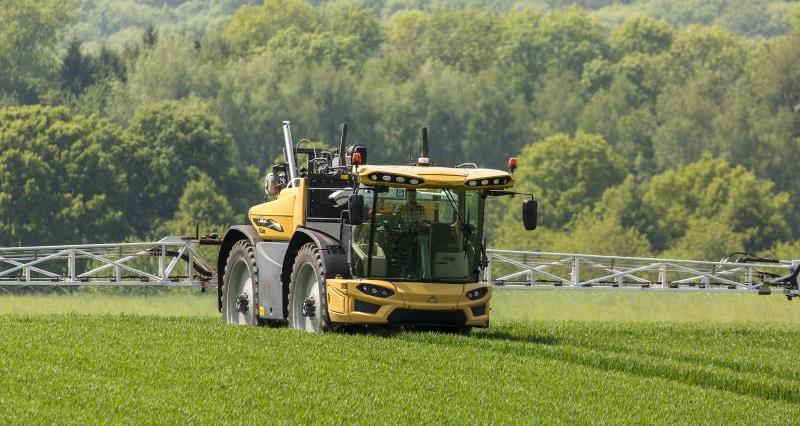
Pre-harvest desiccation speeds-up and evens-up crop ripening to facilitate combining, reduce the opportunity for mycotoxins to develop, and can improve grain storage.
It is particularly valued during wetter seasons and in parts of the country where the weather is more unsettled, leading to shorter and less predictable harvest windows – a particular risk of the UK’s maritime climate. Being applied close to harvesting can result in residues being found in end products.
Residues remain under the MRL
AHDB analysis of harvested and stored UK cereals between 2016 and 2023 only found glyphosate residues in 41% of samples (n = 1075). None of these residues exceeded the MRL (maximum residue level), which is the trading standard and always much more restrictive than any safety limit.
Despite the facts about this safe use and safe levels of glyphosate, these residues have been the focus of anti-pesticide groups.
In 2023, the EU concluded glyphosate was safe to use (like many regulators around the world), and renewed its approval for 10 years.
Science versus politics
So, as the HSE (Health and Safety Executive) re-assesses the GB approval of glyphosate, due to expire on 15 December, the main concern is not whether it will be re-approved, but is whether GB will mirror the EU decision to restrict pre-harvest use as a desiccant (the EU still allows pre-harvest use for weed control).
This EU restriction was a political decision. There was no scientific justification for it.
Throughout all the EU assessment of the evidence, there were no critical areas of concern about impact of glyphosate on human health, and no mention of risks associated with preharvest use as a desiccant.
The NFU has been clear that any review of glyphosate must be led by science and evidence, and expects the GB review process to renew its approval for a full 15 years.
Anticipated review
The GB renewal assessment uses the EU scientific dossier – consisting of over 180,000 pages and 1,500 studies – as a starting point. It then takes into account new scientific, technical and regulatory knowledge that has happened since the EU assessment.
Glyphosate is one of the most widely and longest used, and most extensively studied plant protection products in the world. HSE is currently reviewing all this information and is expected to launch a public consultation on their draft conclusion imminently.
When the consultation is live, the NFU will look for opportunities for members to respond, to highlight the importance of glyphosate to their business, and in particular how important they think it is to have available the option of pre-harvest use as a desiccant.
The GB renewal of glyphosate is happening against the backdrop of the UK and EU negotiating an SPS agreement. It remains to be seen how this will affect whether growers have to abide by the EU or the GB renewal approval moving forward.
The NFU is calling for the GB renewal decision to apply to GB growers until such a time as GB has had the opportunity to input into the EU’s decision-making process.
Major role in conservation ag
A parliamentary reception hosted by Alistair Carmichael MP took place in mid-May. It launched a report that focuses on the role of glyphosate in making conservation and regenerative practices viable for farmers.
By enabling higher yields, glyphosate use increases the value of UK crops produced by conservation and regenerative agriculture by more than £679 million a year. The full report is available to read at: Glyphosate Renewal Group | Parliamentary report launch highlights role of conservation agriculture in meeting UK farming and climate goals
During a panel discussion, Scottish farmer and Voluntary Initiative Chair Dave Bell emphasised the critical role glyphosate plays in growing crops, particularly in northern regions.
NFU President Tom Bradshaw also spoke on the importance of the glyphosate renewal, particularly at a time where farming is facing many other considerable challenges. There was a key message from the event – emotions should not get in the way of science.